The first portion of this series covered the incorporation of the Village of Cambridge on 16-Apr-1866. Now we’re covering some major, subsequent steps along our village’s 150-year history. This week we’ll cover the history of the schools in Cambridge.
The 1799 Vote
In 1799, the East End and the West End voted to build a school. A second vote was held to determine the location. For some unknown reason, not many East Enders showed up for the second vote. Maybe it had rained and the Cambridge Swamp was flooded preventing easy travel. The West Enders voted to build the school on what is today Academy Street.
The East Enders were upset that the school would be located on the far west side of the West End. Knowing their children wouldn’t be able to reliably traverse the Cambridge Swamp to get to the school, the East Enders refused to support the school. The school was built on the east side of Academy Street on land donated by William Hayes.
Cambridge Washington Academy
In 1812 the NYS Legislature passed a law providing state funds for the formation of town school districts. In 1814 the highly controversial Rate Bill required residents to support the funding of private, tuition-based academies.
In 1814 the NYS Regents approved the application for the Cambridge Washington Academy. The 40’x60’ brick building, which cost $2,300, opened its doors on 23-Aug-1815. It was on the northwest corner of Academy and Pleasant streets, roughly across the street from the 1799 school.
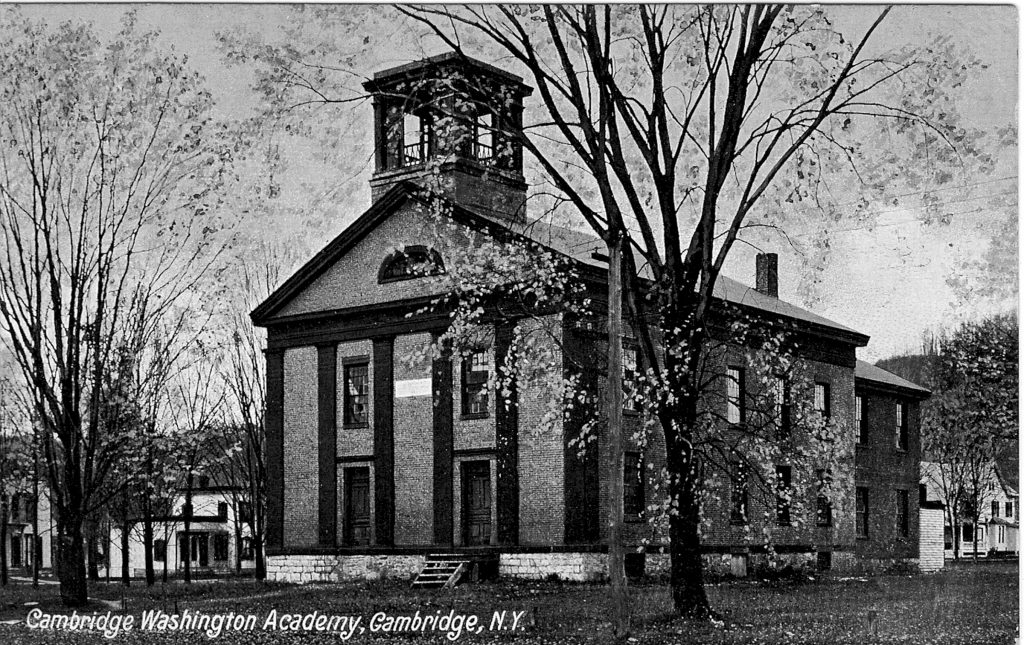
The beautiful brick building had 11’ ceilings and the first floor, 16’ ceilings on the second floor, and 10’ ceilings in the attic. The first year the academy had 51 scholars: 14 in the Classical department (college-prep) and 37 in the English department. The academy was open year-round with 4 terms of 12 weeks, each followed by a one-week vacation.
By 1841 the Cambridge academy had grown to 128 scholars, of whom 55 were female. The student body came from all over the US, Cuba, and Spain. In 1844 a 24’ x 48’ brick addition was built at a cost of $4,000. Two governors, a US Senator, and numerous NYS senators and judges attended the CWA.
It closed in 1872 during the post Civil War depression. It was demolished in 1922 and the bricks were used to build vacation cottages on Schroon Lake.
One-room Schoolhouses
In addition to the Academy, the Village had two one-room schoolhouses, not surprisingly one on the East End and one on the West End. The East End school still stands as the brick home on the west side of North Park street across from the old cemetery. The West End school was on School Street, an east-west street connecting the southerly ends of South Union and Academy streets. The street was just north of George Robertson’s house (yellow with green shutters). The trees that lines School Street are still there. That schoolhouse was moved to North Cambridge Road.
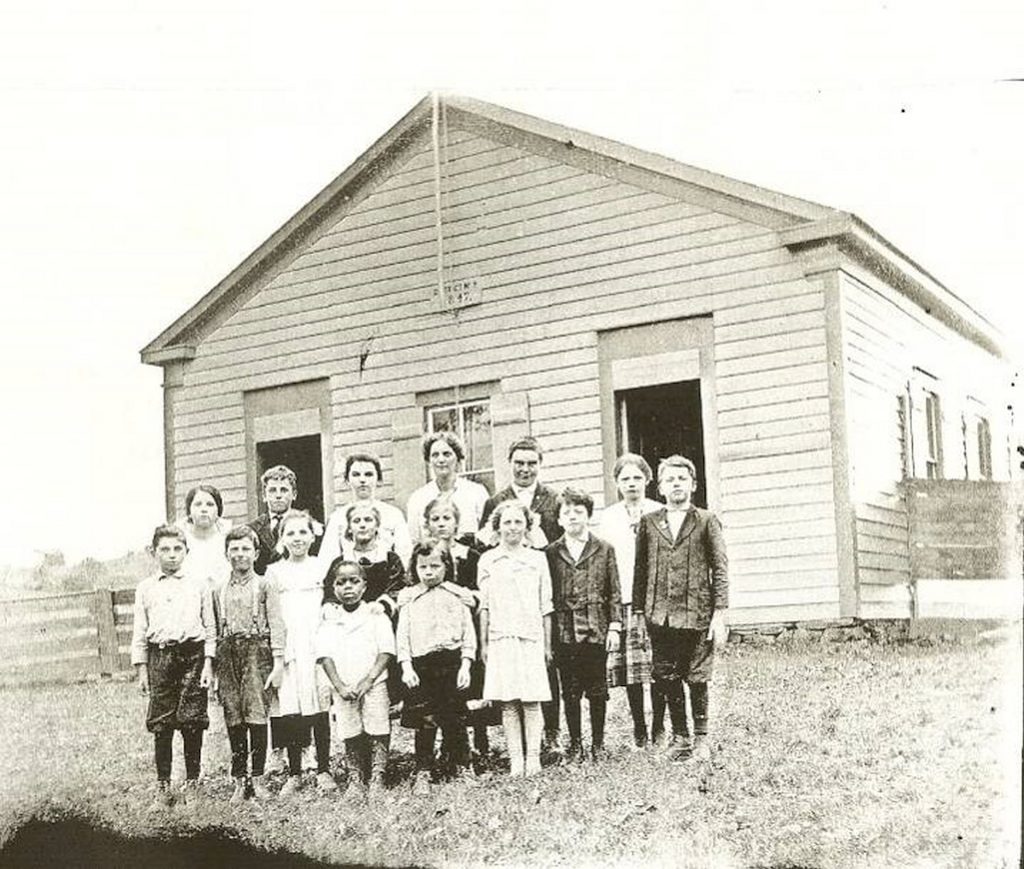
In the 1845 report on Washington County schools, Cambridge used “new math”” to compute its student body. The report said Cambridge towns taught 615 students that year in its one-room schoolhouses. Interesting since there were only 514 school-age children in the 3 towns. NYS inspectors checked teacher’s rolls and found 555 students listed but when they visited the schools in Cambridge (16 schools), White Creek (16 schools), and Jackson (11 schools), only 343 students were present.
Many school districts stayed open only 4 months, just long enough to qualify for state aid. Many schools were vacant during the winter (cold) and summer (farming).
Two Schools
In 1853 the Union School Act gave money to communities to improve their schools. The East Enders and West Enders couldn’t agree so they didn’t accept the state aid.
Twenty years later in 1873, two large village delegations descended upon the NYS Assembly to support a new school, or rather to support two schools one on each end. NYS didn’t want to get involved in Cambridge’s debate so they passed the Cambridge Education Bill but required a local election to determine the location and the amount to be spent. Cambridge voted down the education bill 195-128.
In July 1873, a meeting was held at the Engine House to determine alternatives. The East Enders, likely remembering their grandfathers telling them of how the West Enders stacked the 1799 vote, showed up in droves to ensure they weren’t outnumbered this time. The West Enders, upon seeing so many East Enders, stalled the meeting as they scurried around the village dragging anyone and everyone into the meeting.
A motion was made to build a new Union School halfway between Washington Street and the Owl Kill, about where the Cambridge Hotel is located today. The motion was tabled and the meeting adjourned.
The next month, Aug-1873, the West Enders came prepared to the school meeting. They had a petition signed by two-thirds of their voters. But, just like the votes leading up to the formation of the Village, this petition didn’t unite the East End and West End. Instead it divided it even more since the West Enders’ petition was to form a single school for the West End and Coila, ignoring the East Enders.
A vote was held on the original motion. The East End approved it 34-7. The West End resoundingly defeated it 98-8 (notice how many more West Enders than East Enders attended the meeting).
But the West Enders weren’t done. They rounded up another 50 voters, held a meeting later that day at Ackley Hall, and voted to lease the old Washington Academy and created the Union Free School of the West District.
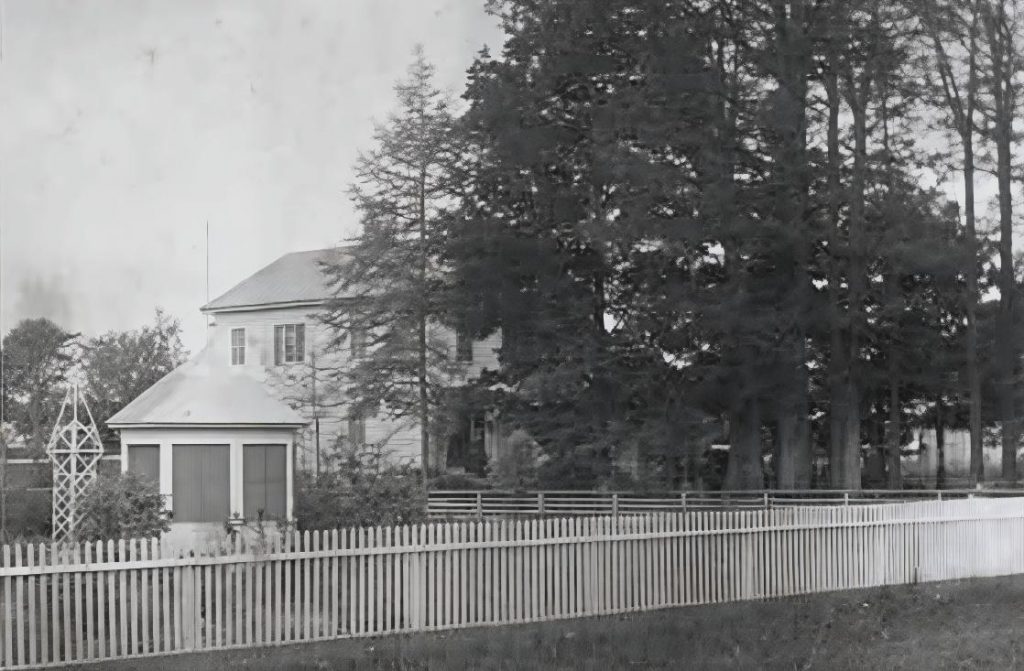
Once again the East Enders were upset with the West Enders trying to control education in the community. They voted to purchase the Putnam Estate to create the Union Free School of the East District [note: John Pope Putnam lived in a mansion on the west side of South Park set back behind Stewarts. This is why we have the Schoolhouse Pizza shop].
Next time
Next week we’ll continue the history of Cambridge schools with the Cambridge Union School, the mysterious fire that destroyed it, and the creation of the current CCS.
I started this series in February, expecting to complete it by July 16 when the Village and Fire Department have their huge celebration. That leaves 4 more articles which is a challenge since there is so much more Cambridge history to cover. The hospital, the bank, the churches, the yellow brick road, and on and on. If there is a particular topic that you’d like covered, contact the Eagle and I’ll do my best to include it in the last few articles.